

Faculty of Health Sciences Case for Support
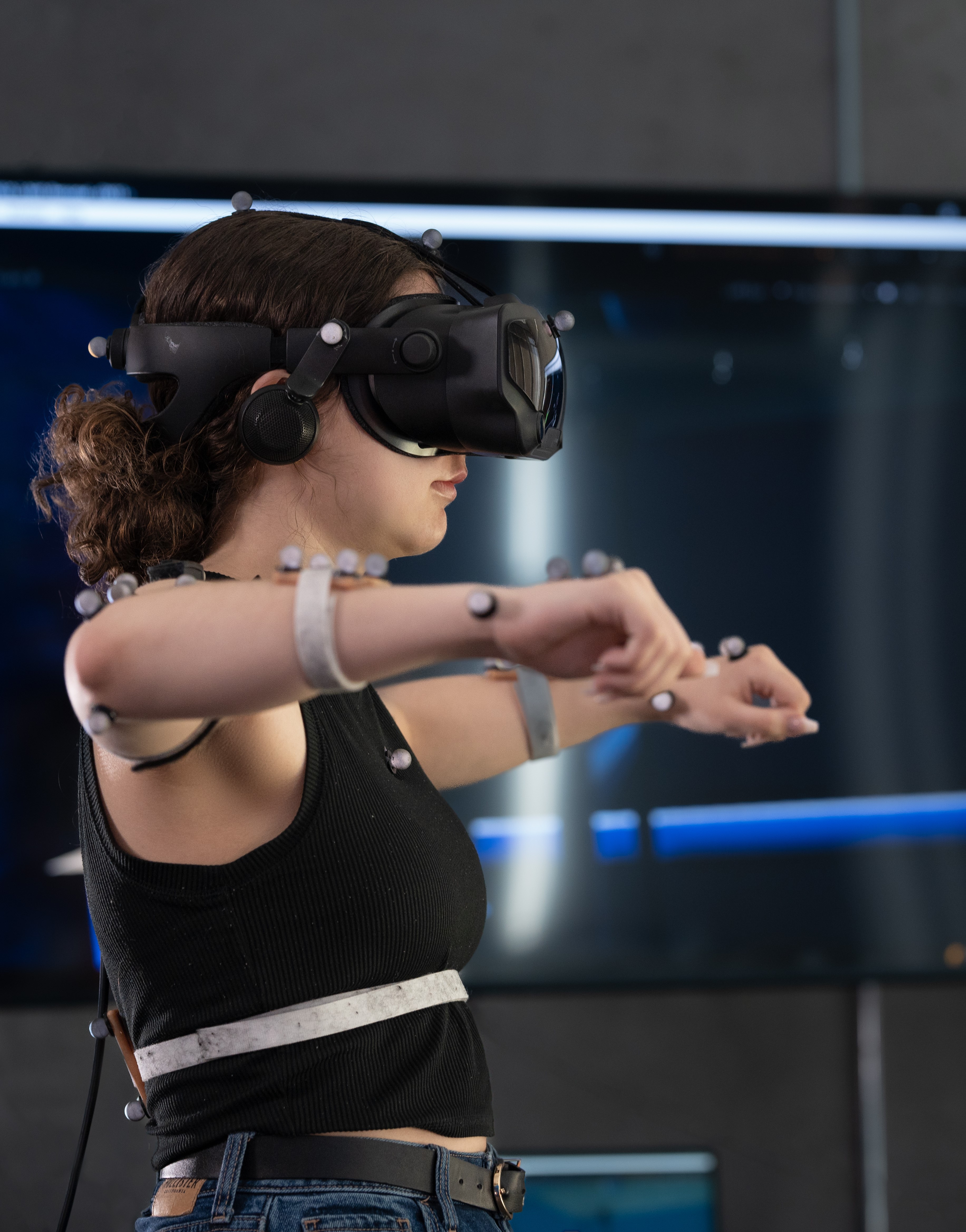
Empowering, educating and elevating health for all.
Today’s health landscape is complex and rapidly evolving. Alongside infectious diseases, conditions such as heart disease, cancer, dementia and diabetes remain the leading causes of death and disability in Canada and worldwide. As populations age, these challenges intensify, demanding innovative and equitable solutions.
The Faculty of Health Sciences (FHSc) advances a healthier society through research, collaboration and educational excellence. Partnering across campus, industry and community, we develop practical solutions in dementia care, mental health, healthy aging, nutrition security, medical laboratory science and sport science.
Our students gain rigorous training and hands-on experience that prepare them to lead in a changing health sector.
With your support, we will continue to integrate technology, compassionate care and accessible innovation to improve health in our communities and beyond.
Explore the Faculty of Health Sciences Case for Support
Tech with a conscience
Transforming Dementia Care
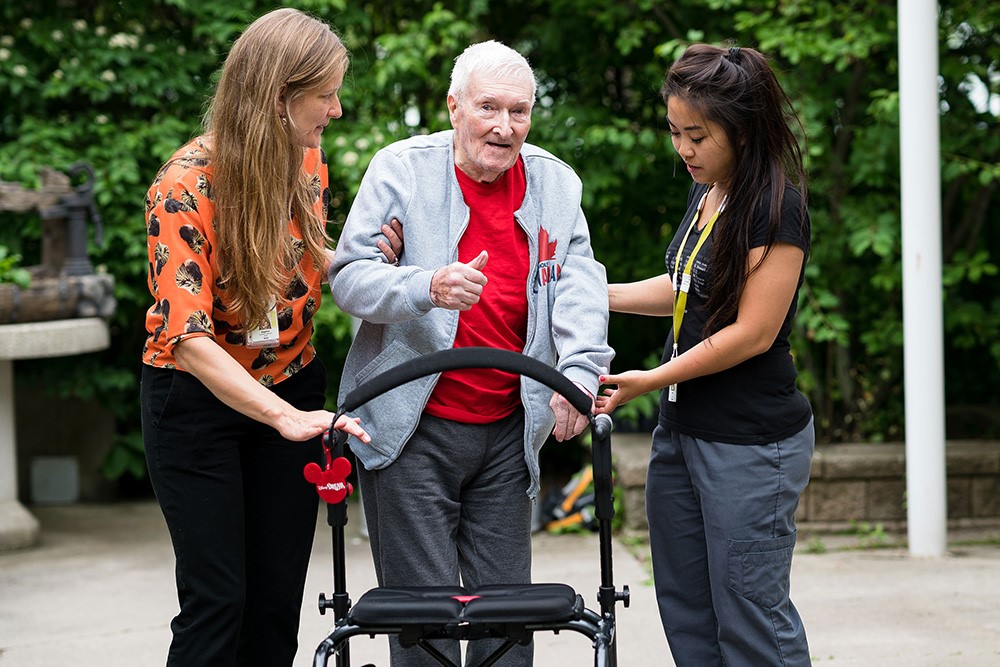
Dementia is one of Canada’s fastest-growing health challenges, and meeting it will take bold innovation and deep collaboration. Through the Advancement of Dementia Care Centre, Ontario Tech and Ontario Shores are uniting researchers, community partners and emerging technologies to improve quality of life for people living with dementia and caregivers, while training the next generation of dementia-care leaders.

Dementia is a growing national challenge, affecting more than 733,040 Canadians today and projected to exceed 1.7 million by 2050, increasing pressure on families and care partners. To accelerate solutions, Ontario Tech and Ontario Shores launched the Advancement of Dementia Care Centre (ADCC) in 2022, uniting 20+ researchers across six faculties to improve care and quality of life. As a living lab, the ADCC tests and deploys evidence-based tools and technologies that strengthen dementia-friendly communities, including Dr. Winnie Sun’s work with virtual reality reminiscence therapy and exergaming to support well-being and social connection. With community partners like the Alzheimer Society of Durham Region, the centre is also building local capacity and preparing students to become future leaders in dementia care.

Your support will allow us to:
- Expand cross-disciplinary research to better understand diverse forms of dementia and reduce stigma.
- Strengthen support for vulnerable groups, including people with young-onset dementia and intellectual disabilities.
- Develop, test and evaluate new technologies (e.g., wearables that detect agitation) to improve safety and care, especially in rural communities.
- Equip and relieve caregivers through new tools, education and resources that reduce burden and improve quality of life.
- Grow the dementia-care workforce by creating a Dementia Care micro-credential, embedding dementia care in nursing education and deepening partnerships with long-term and in-home care providers.

Tech with a conscience
Empowering Health Through Food Equity
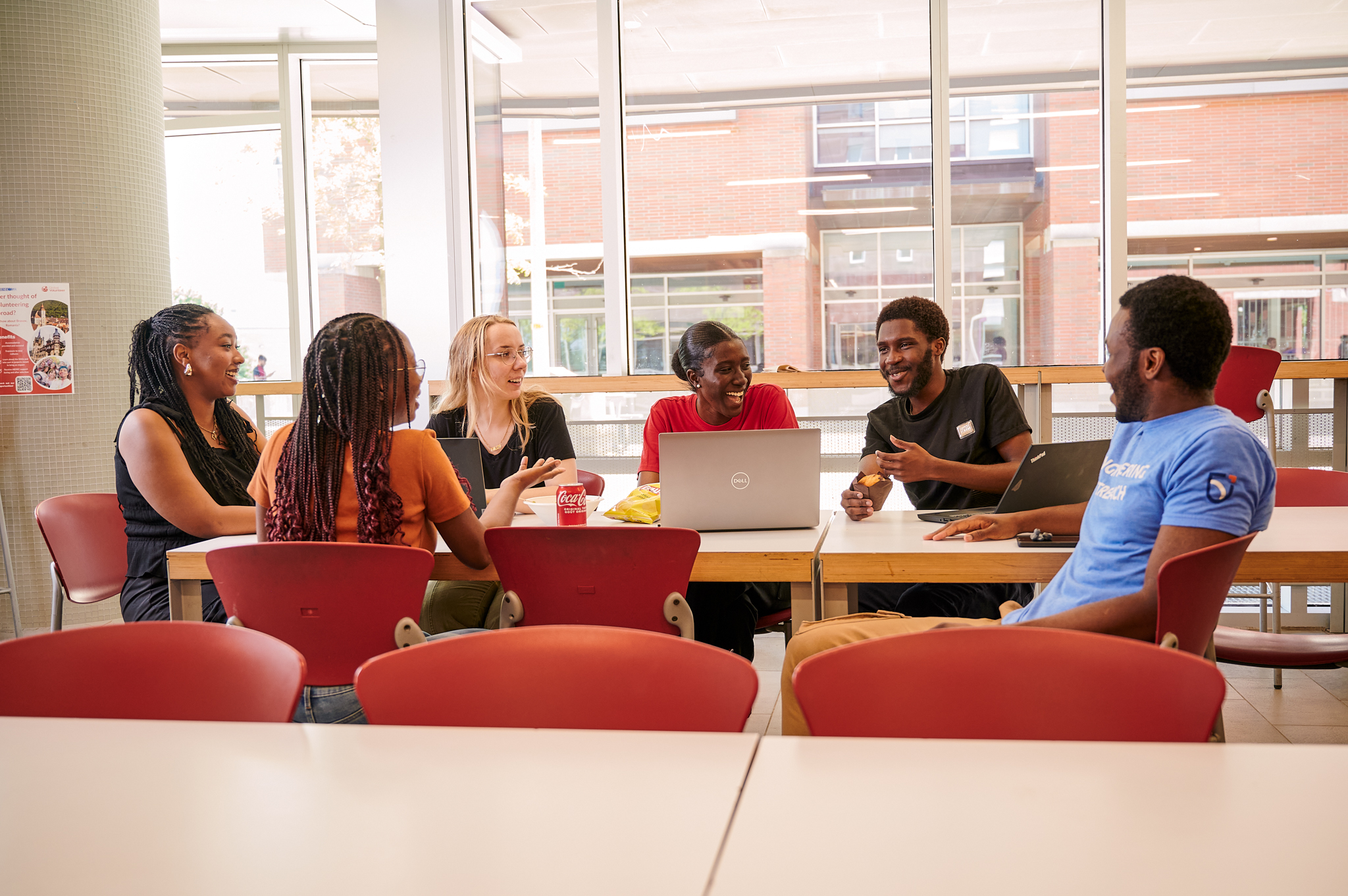
Nutrition shapes health across the lifespan, yet many people face barriers to affordable, culturally relevant and evidence based guidance. Food insecurity, confusing information and declining food literacy make healthy choices harder than they should be. We are closing that gap with tools, programs and partnerships that bring better nutrition within reach for everyone.

Poor nutrition is a leading, yet often unaddressed, risk factor for chronic disease, and its impacts are magnified by food insecurity, rising costs and widening gaps in food literacy, especially among youth and students. Ontario Tech’s Faculty of Health Sciences is tackling this through research spanning policy, interventions and the social determinants of health, led by experts like Dr. JoAnne Arcand, whose tech-enabled lab develops practical tools such as a nutrition education mobile game for children and a sodium assessment calculator for the public and clinicians. Students are embedded in this work through coursework and hands-on research, exploring innovations like apps, games and AI-powered dietary assessment, helping strengthen nutrition knowledge and improve health outcomes locally and globally.


Your support will allow us to:
- Establish a Research Chair in Nutrition Security to close a critical research gap and lead long-term, high-impact work in this field.
- Fund cutting-edge research that improves access to the right quantity and quality of food, aligned with cultural preferences, tastes, and dietary needs.
- Develop and test innovative, practical interventions (including tech-enabled tools) that help people choose and prepare healthier food.
- Expand global and industry partnerships using a systems-based, equity-driven approach that prioritizes traditionally underrepresented communities and informs real-world solutions.
- Strengthen programs and policy impact by generating evidence that supports improvements to food systems and social supports, while creating hands-on learning opportunities for students in this vital research area.
Tech with a conscience
Shaping the Future of Medical Laboratory Science
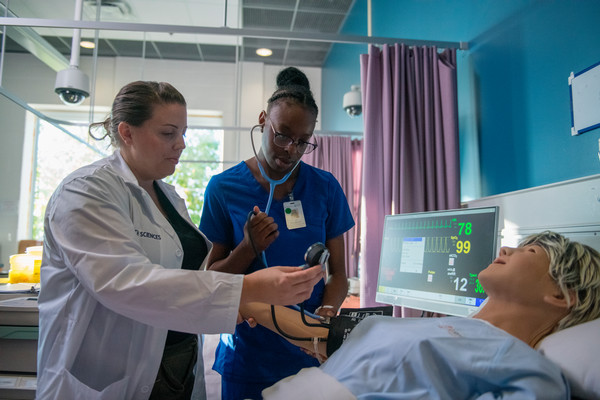
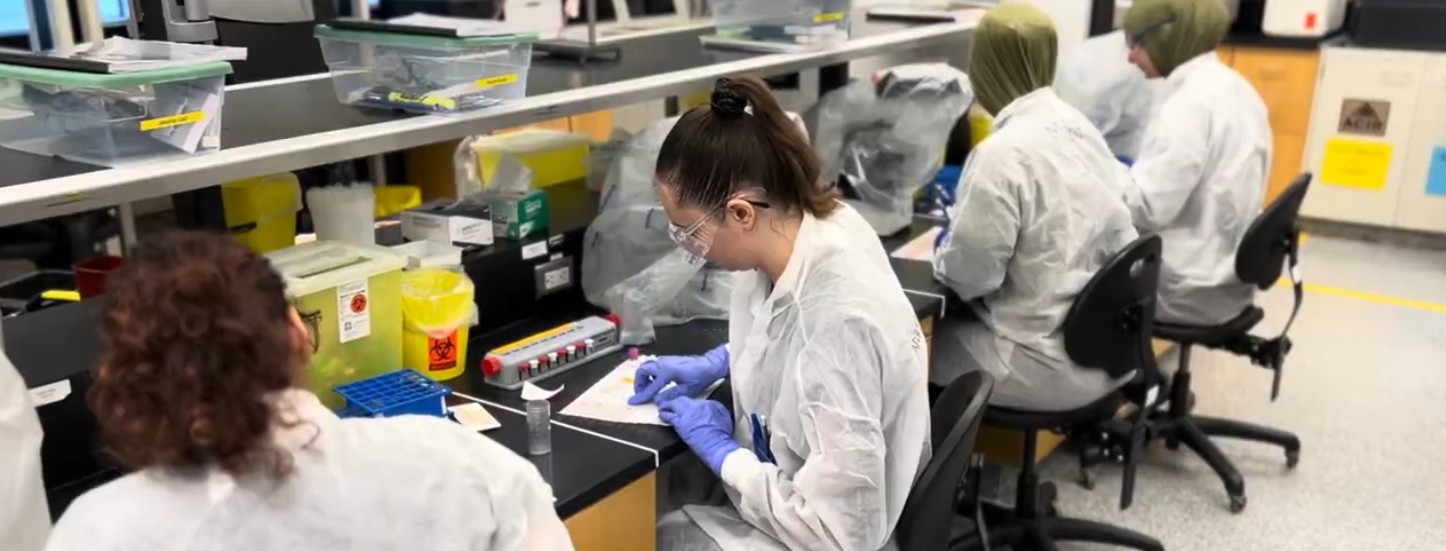
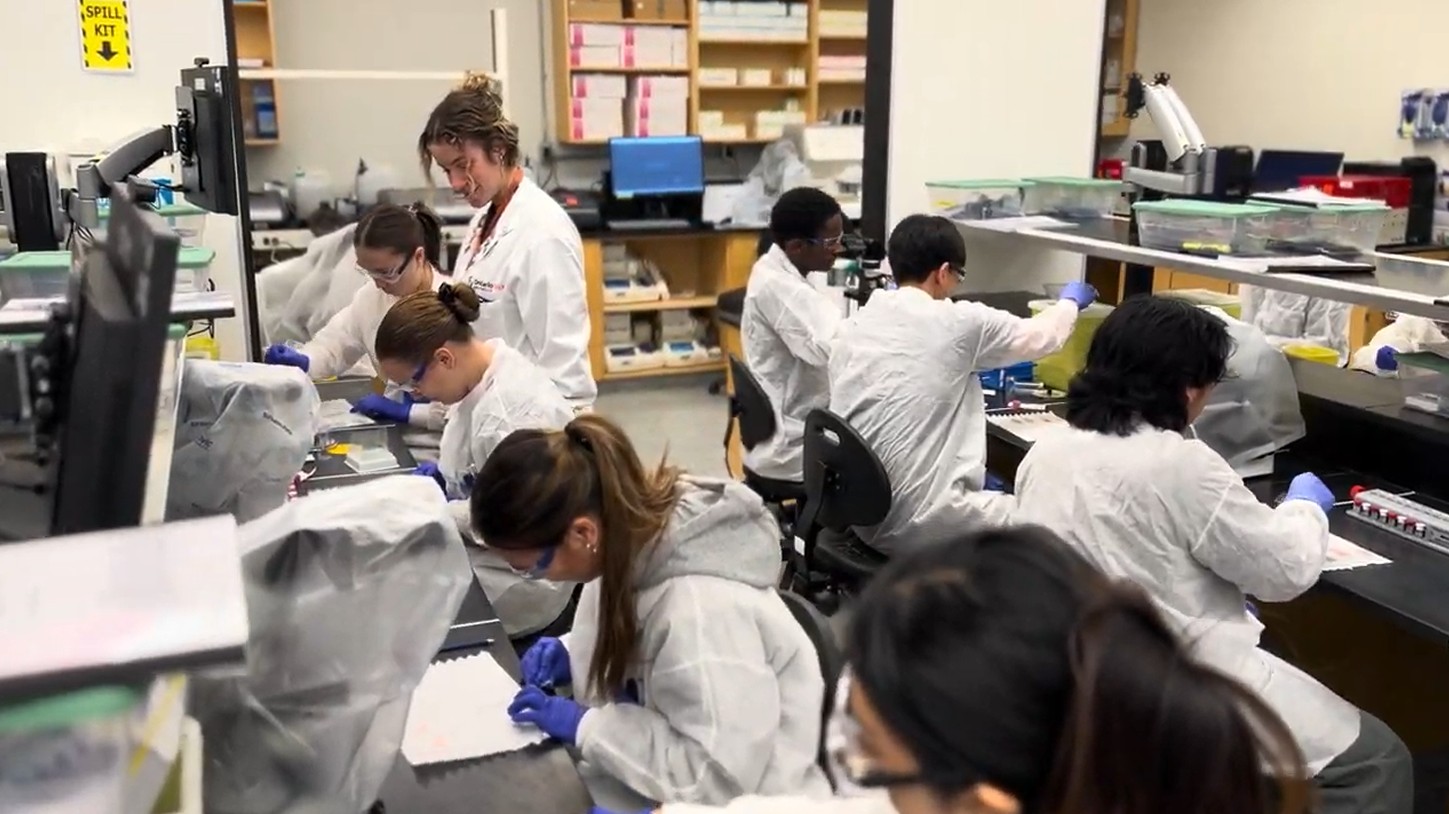
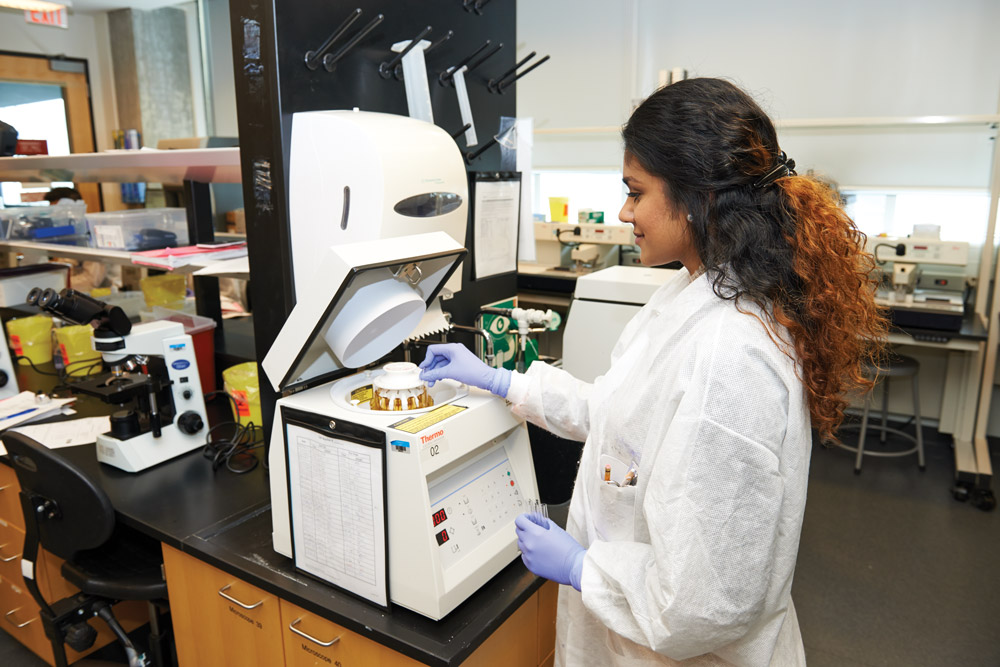
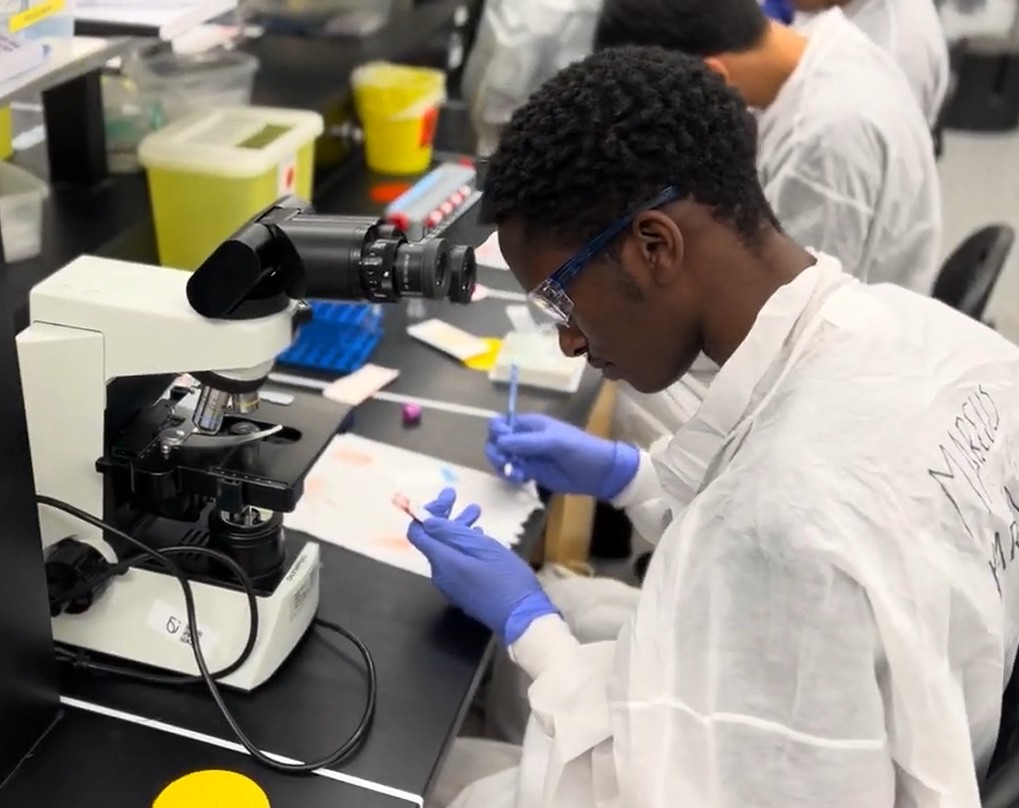
Medical laboratory professionals power nearly every diagnosis, yet Canada’s growing demand and workforce shortage are stretching the system. By expanding Ontario Tech’s Medical Laboratory Science program with modern wet-lab space, leading-edge equipment and added faculty expertise, donor support will help train more practice-ready graduates and strengthen patient care across the country.

Your support will allow us to:
- Expand capacity in a high-demand program by adding new lab space, including a modern wet lab, so more students can be admitted and trained.
- Deliver essential wet-lab skills where students learn core diagnostics like blood and chemistry analysis, transfusion practices and identifying infection-causing bacteria.
- Upgrade learning with industry-standard tools through new equipment, technology and simulation resources that keep pace with evolving professional competencies.
- Strengthen teaching and mentorship by funding additional faculty positions to maintain quality as the program grows.
- Help address the workforce shortage by graduating more job-ready medical laboratory professionals who support Canada’s health-care system and improve patient care.

Learing Re-imagined
Changing the Game for Athletic Excellence
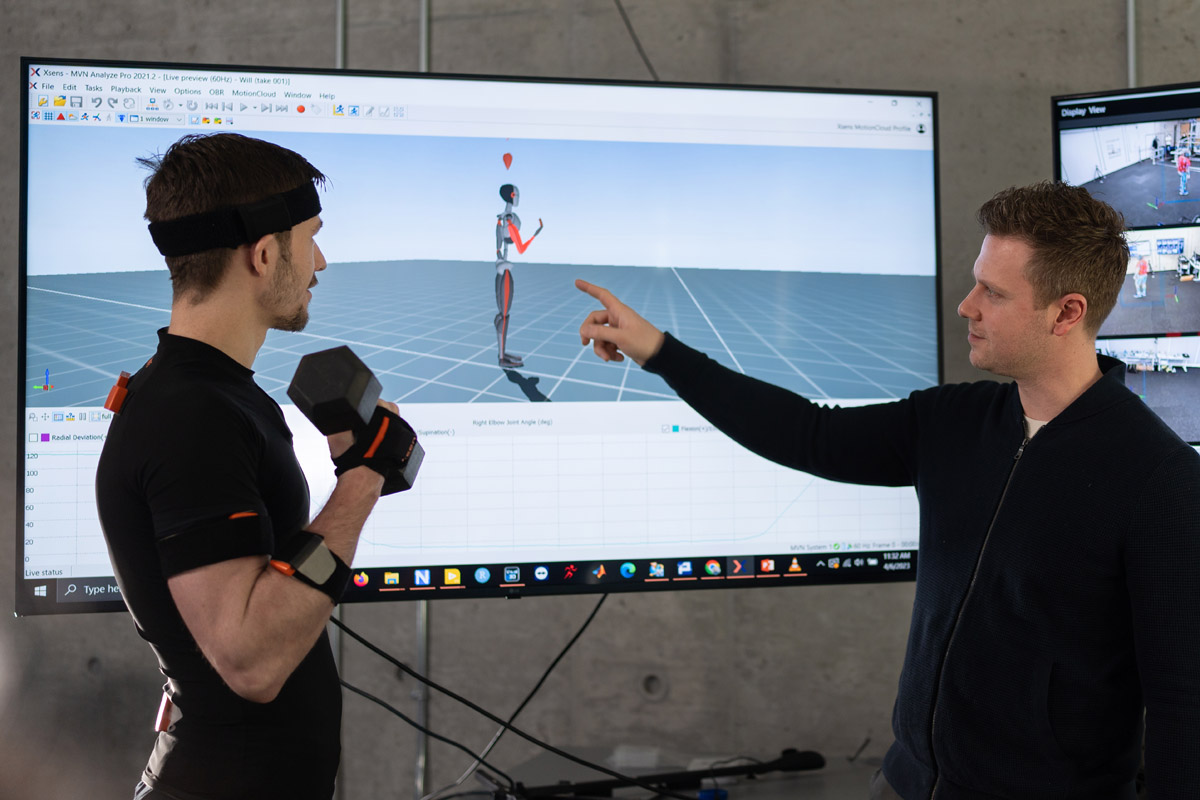
FHSc is pushing the boundaries of sport science by pairing leading-edge research with real-world partnerships that strengthen performance, health and inclusion, giving students hands-on experience while helping athletes of every age and ability reach their full potential.

FHSc advances athletic performance and well-being through a distinctive mix of elite and community partnerships that span high-performance sport, varsity athletics and inclusive health promotion. Research with organizations like Cycling Canada and Alpine Canada strengthens work in physiology, sport psychology, and performance optimization while creating hands-on learning opportunities for students, including experience with the Canadian Olympic and Paralympic Sport Network. On campus, kinesiology students partner with Ridgebacks teams to apply performance tracking data to tailored training approaches. Beyond elite sport, collaborations with Special Olympics Ontario and parasport initiatives extend evidence-based programming, screenings and training supports to athletes with disabilities, while research on active living and mobility helps shape healthier, more inclusive communities.

Your support will allow us to:
- Expand high-impact sport science research by strengthening and growing the current research portfolio.
- Create more hands-on student research opportunities like Matthew McCue’s applied work evaluating performance strategies with the Toronto Blue Jays.
- Unlock new collaborations and pilot projects with Ridgebacks teams, national sport organizations and elite programs.
- Accelerate innovation through shared facilities by enabling future collaboration and discovery in the envisioned High-Performance Centre.
- Advance inclusive athletic excellence by developing evidence-based training approaches that support athletes of all abilities and promote diversity in sport and physical activity.


Together, we can empower, educate and improve health for all.
Related news

From podcast to television: the importance of trust and responsibility in storytelling
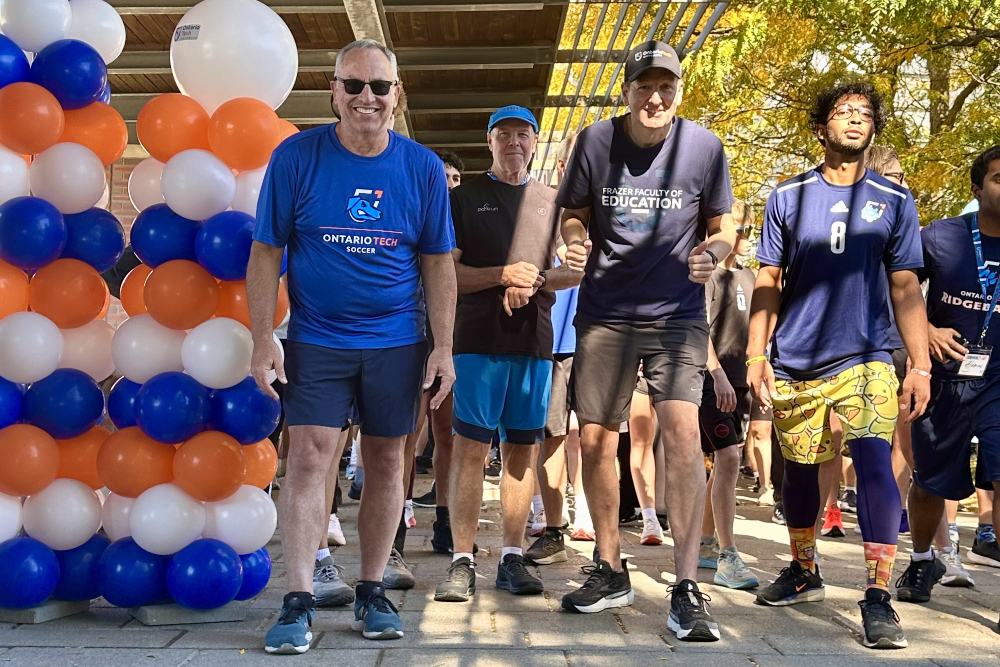
Community Day celebrates connection, innovation and impact at Ontario Tech

Tech with a conscience: Why purpose and responsibility matter more than ever
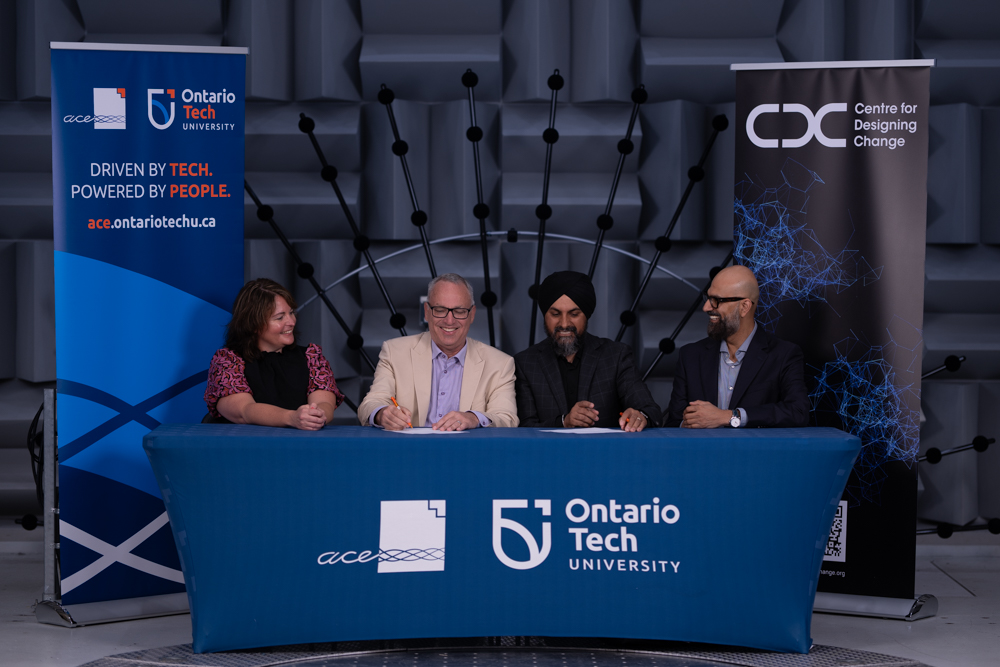
Centre for Designing Change and Ontario Tech launch Physical AI Centre of Excellence (PACE) Ontario to strengthen Canada's leadership in Physical AI