Frazer Faculty of Education Case for Support
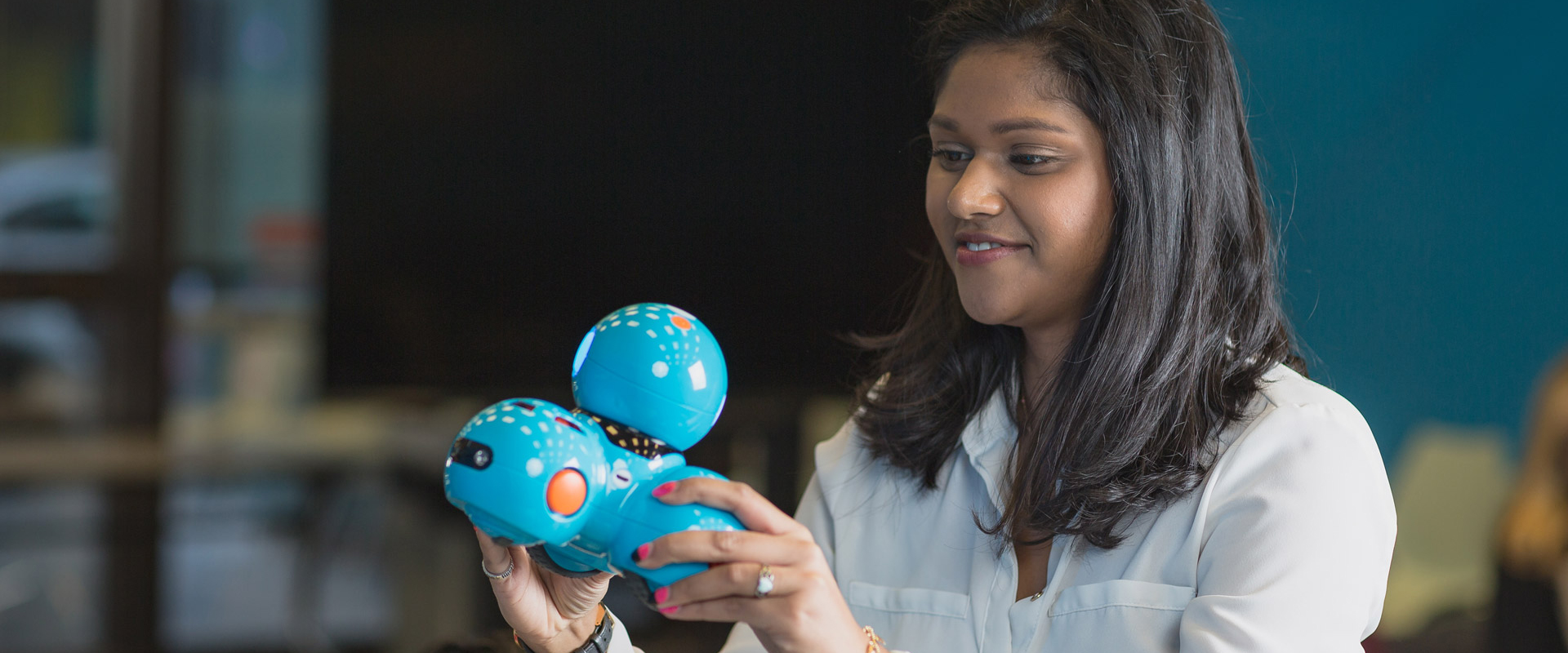
The Frazer Faculty of Education is shaping the future of learning by preparing educators who use digital technologies thoughtfully, ethically and with purpose.
Guided by a vision of socially responsible leadership, we foster learning environments that inspire curiosity, engagement and meaningful impact across campus and beyond.
Grounded in more than two decades of excellence and innovation, we explore emerging technologies while carefully examining their social implications. We believe educational progress must be rooted in ethics, accessibility and inclusion, with equal commitment to mental health, equity and community well-being.
Building on our leadership in online learning and transformative teaching practices, we are entering a new chapter through Tech with a Conscience.
With your support, we will continue to redefine education for a rapidly changing world and empower the next generation of educators to lead with confidence and care.
Explore the Frazer Faculty of Education Case for Support
Learning Re-imagined
Byte-sized brilliance: Teaching in a digital world
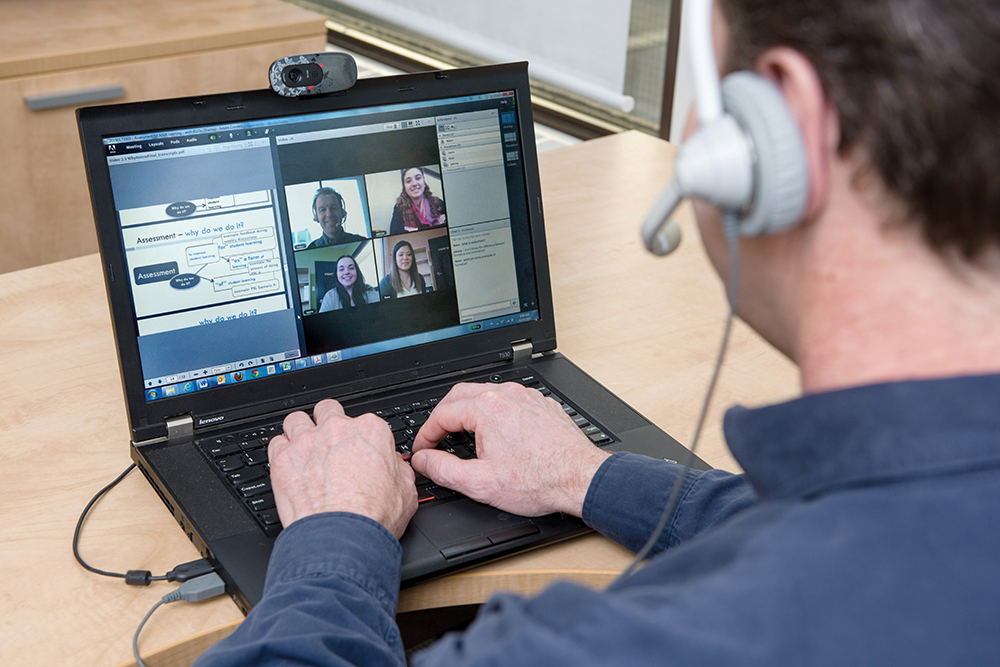
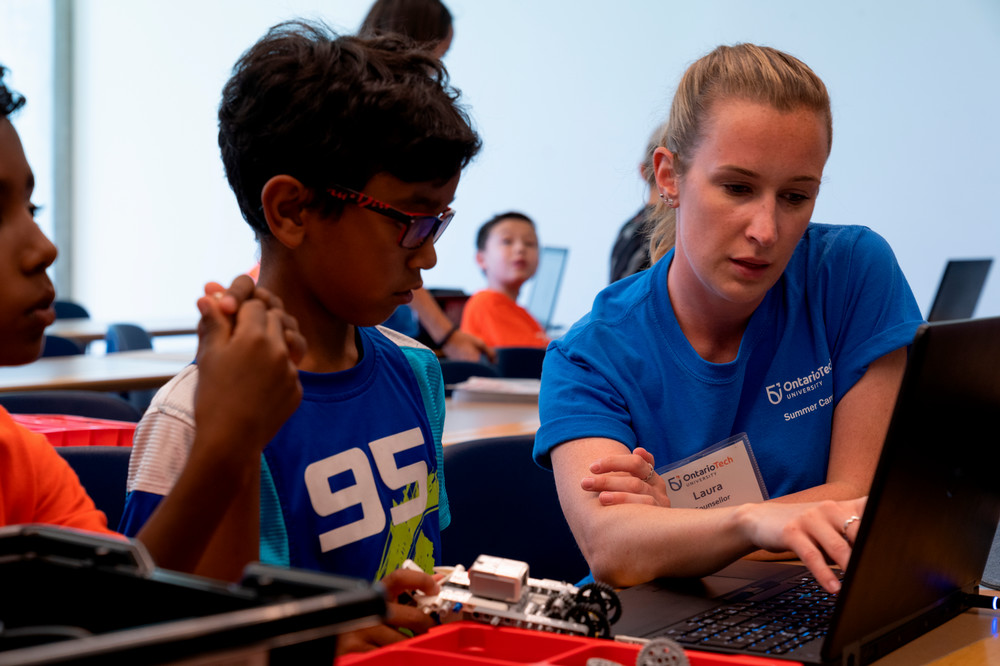
Digital skills are now essential for educators and learners, and the pandemic underscored both their importance and the inequities that can come with it. As leaders in online education, our researchers examine not just the tools themselves, but how they can be used responsibly to improve teaching and learning outcomes. Work across labs such as the Educational Informatics Laboratory and IDEASS explores online learning, inclusive technology and maker-focused digital literacy, while also assessing the ethical and social impacts of AI, including potential bias in classrooms. Faculty experts like Dr. Robin Kay and Dr. Laura Morrison evaluate emerging tools and share evidence-based findings through open platforms, speaker series and conferences so educators everywhere can benefit.
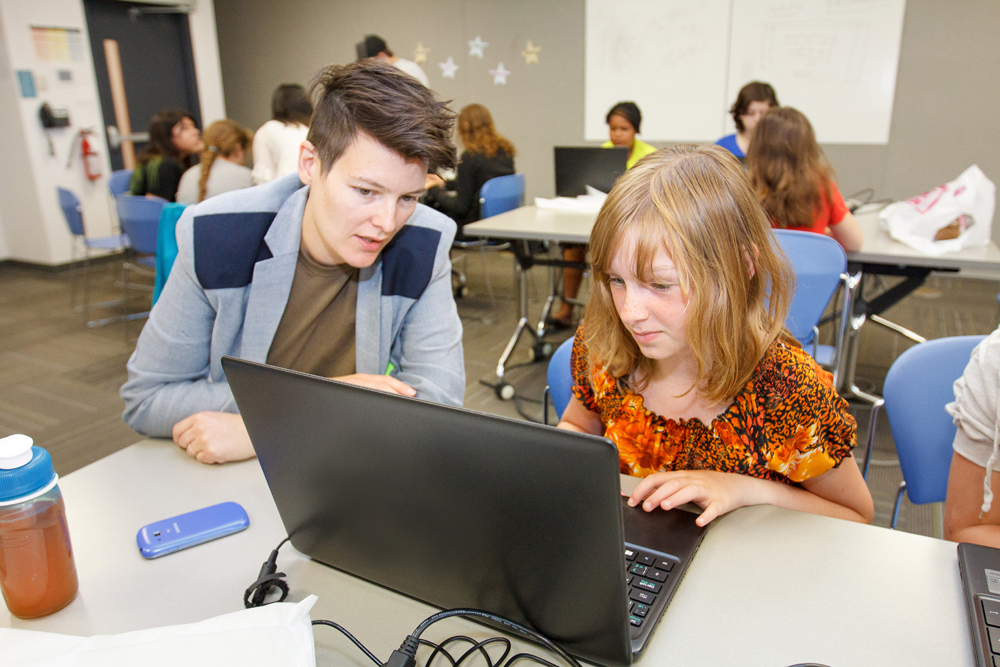

Your support will allow us to:
- Expand and equip testing labs so students and researchers can evaluate new technologies and teaching methods in real-world settings.
- Bridge traditional teaching and tech-enabled learning by advancing competency-based, future-focused approaches.
- Develop evidence-based guidance that helps educators identify what works and avoid costly tools that quickly become underused or obsolete.
- Create impactful professional development that builds educator capacity in areas like digital wellness, global competencies and inclusive practice.
- Grow partnerships and outreach with education stakeholders locally and globally to scale accessible solutions across diverse school contexts.
Learning Re-imagined
Raising the bar for representation in the classroom
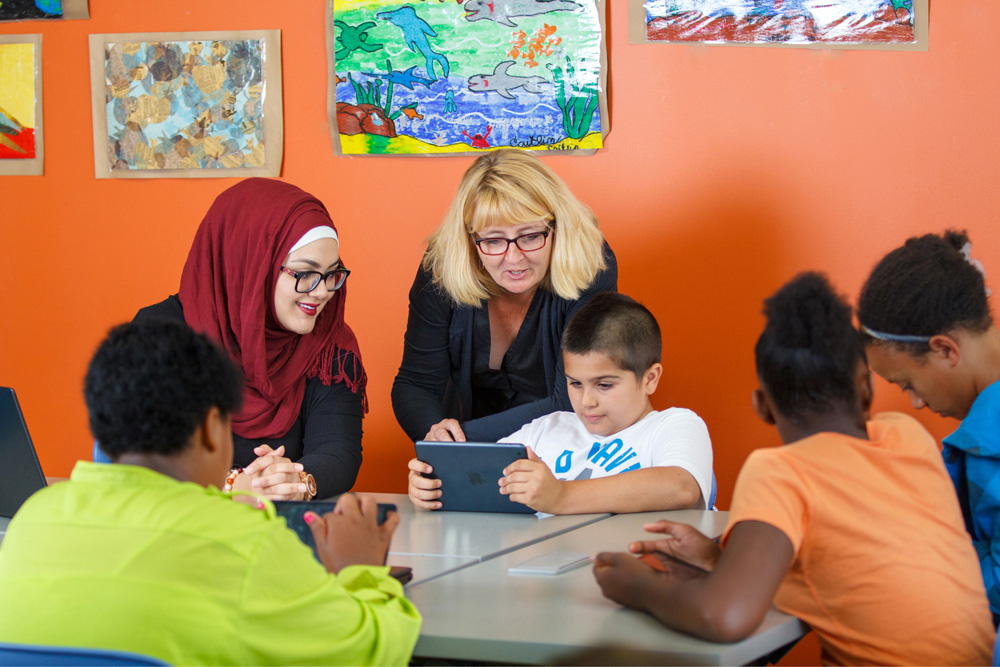
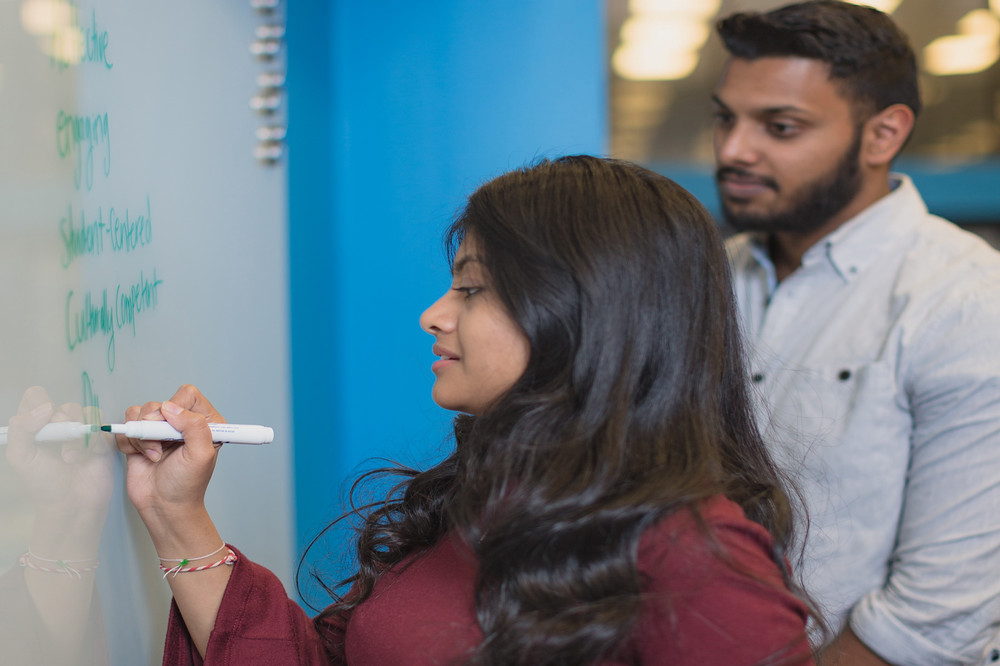
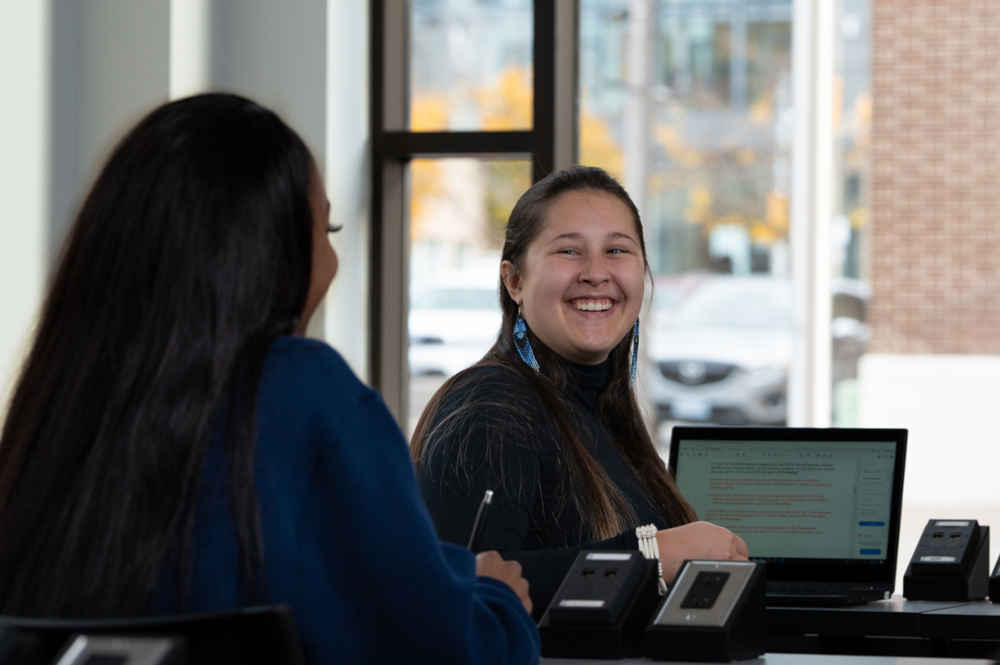
Building a more inclusive classroom starts with reimagining who education is designed for and who gets to lead it. Through IDEA-focused teaching, Indigenous knowledge integration, accessible hyflex learning and research on assistive and responsible technologies, the Frazer Faculty of Education is redefining how educators are trained and who education reaches, while cultivating a more representative faculty and learning environment.


Your support will allow us to:
- Bring more diverse educators to campus through visiting scholars and postdoctoral fellows from underrepresented backgrounds, giving students relatable role models and new perspectives.
- Expand access for marginalized learners with scholarships and bursaries that support undergraduate and graduate study.
- Equip educators with practical IDEA training so faculty and teacher candidates can build truly inclusive classrooms.
- Advance Indigenous education and knowledge sharing by supporting postdoctoral roles focused on Indigenous education, plus conferences and training centres that strengthen collaboration.
- Improve learning for students with diverse needs by investing in assistive and inclusive technologies that help educators teach more effectively.


Learning Re-imagined
Making STEAM education accessible to everyone
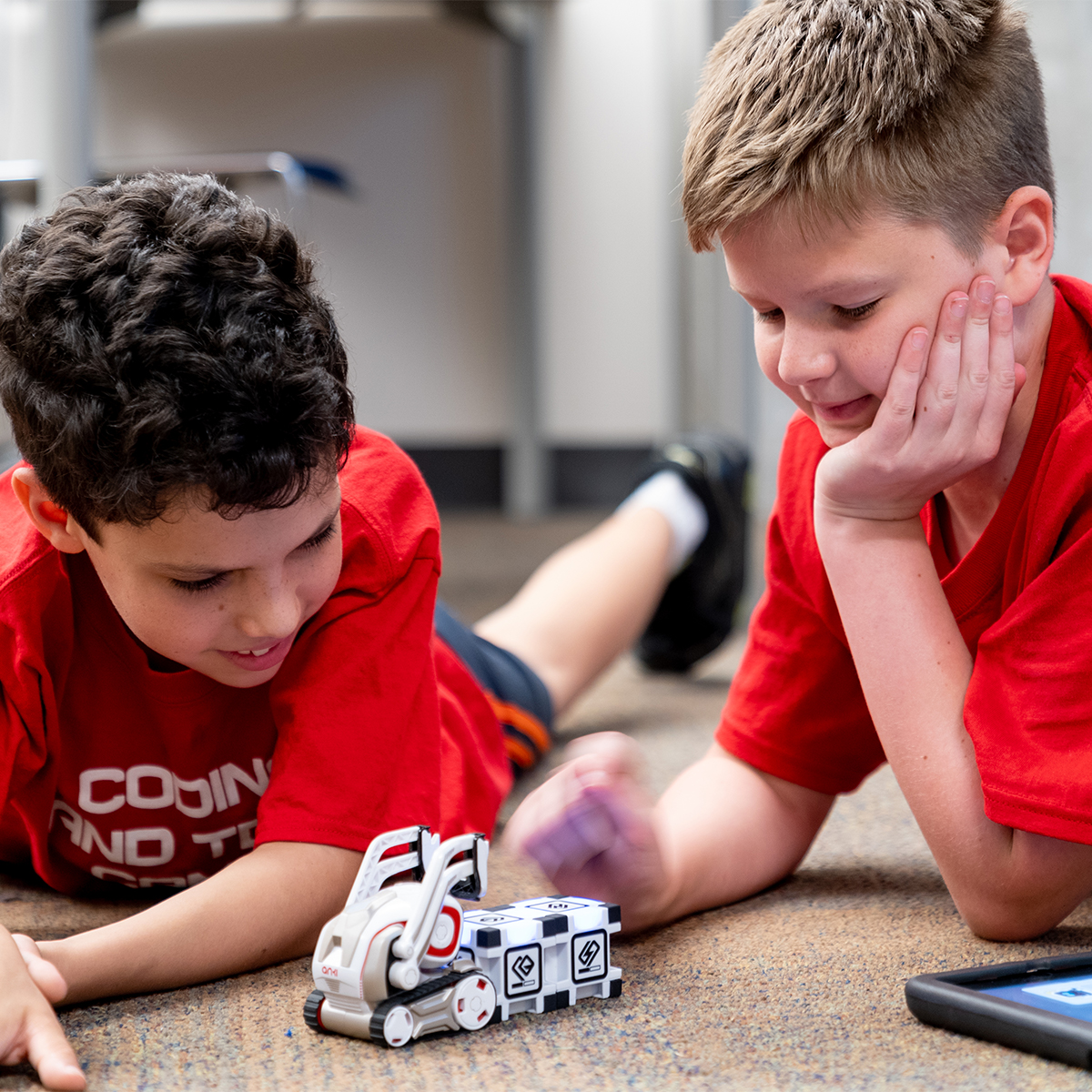
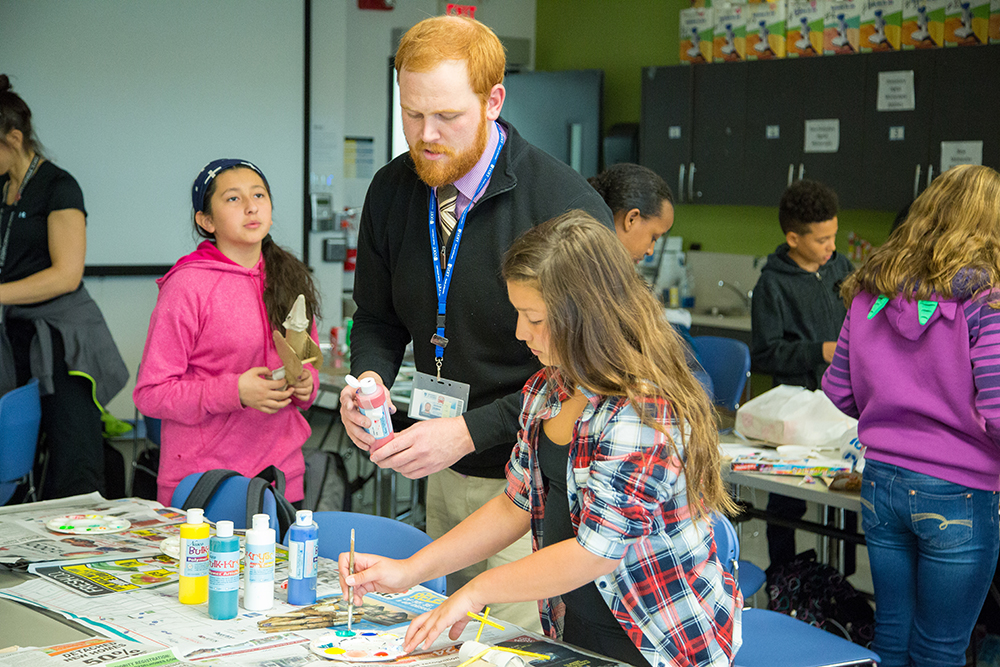
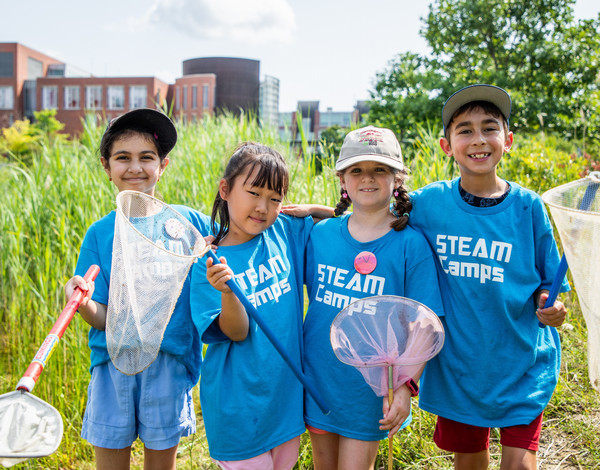
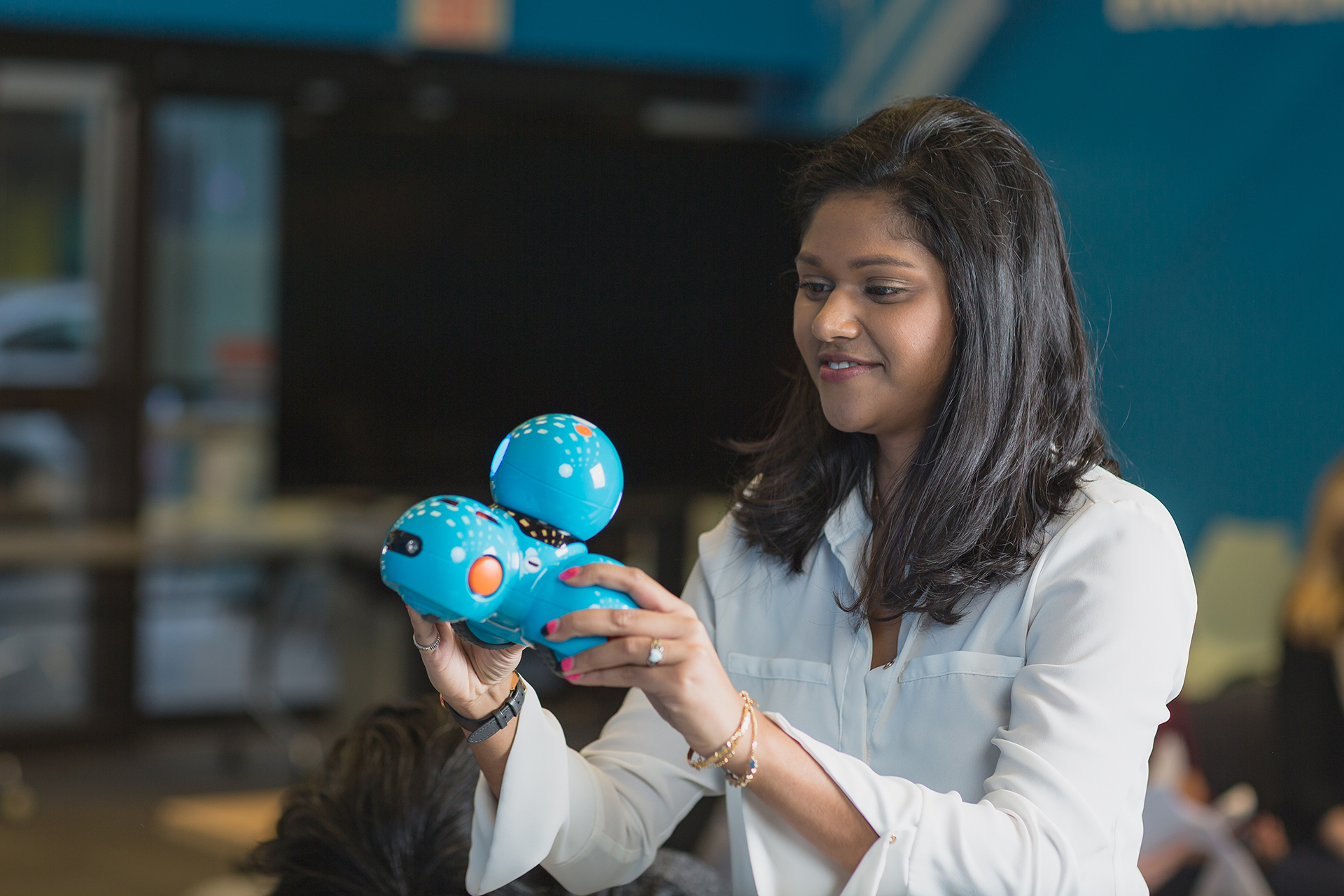
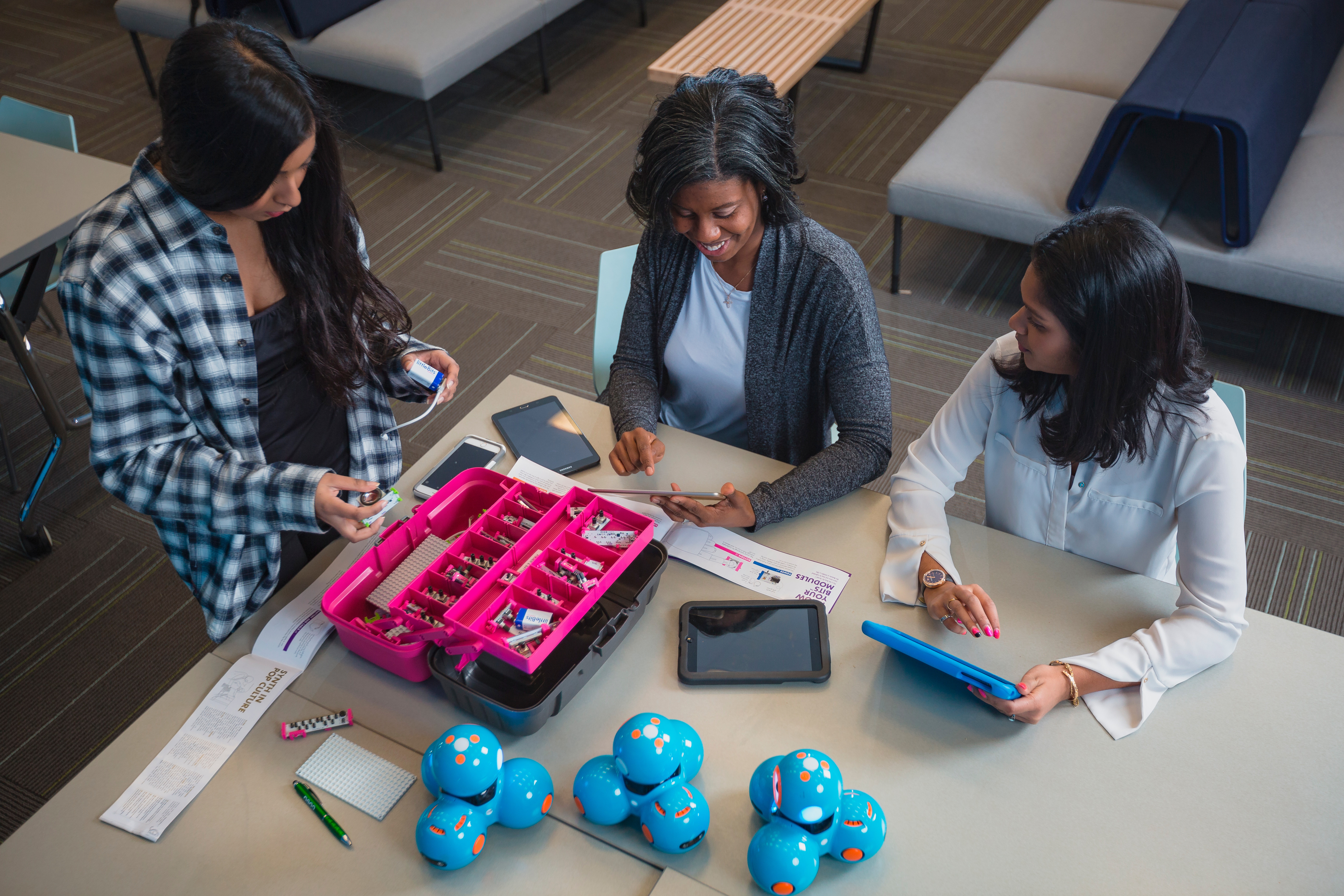
Science, technology, engineering, arts and math (STEAM) education can spark a lifelong love of discovery when students and educators have the tools, training and creative spaces to build, test and solve real-world challenges. Through hands-on maker learning, community partnerships and inclusive STEAM research, the Frazer Faculty of Education is expanding access to cutting-edge resources for under-resourced communities while equipping teachers to bring innovative, future-ready learning into every classroom.

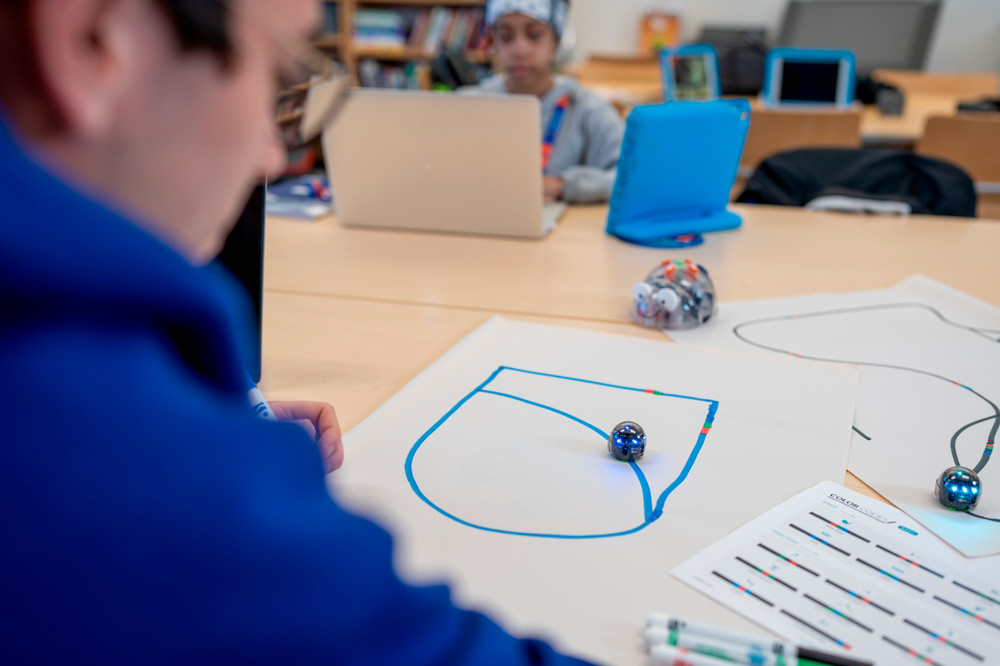
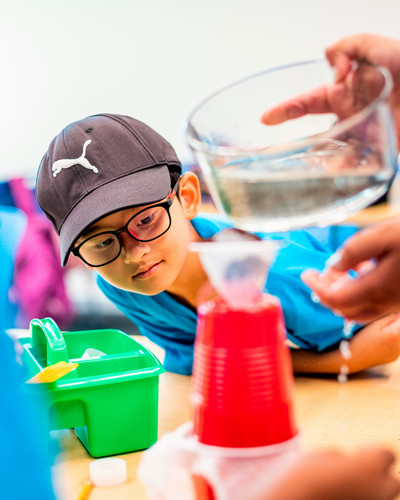
The Frazer Faculty of Education is reimagining STEAM learning so every child can access cutting-edge resources and every teacher has the training to use them well. Inspired by community maker spaces, this approach emphasizes designing, building and collaborating to solve real challenges and spark early curiosity. In the STEAM-3D Maker Lab, teacher candidates develop and share new classroom-ready methods and resources with educators and the broader community. Partnerships with organizations such as General Motors of Canada and the Ontario Ministry of Education help extend camps, free resources and digital tools to historically under-resourced communities, while the IDEASS Lab advances global research on inclusion in STEAM and gender equity to help remove barriers and broaden participation.
Your support will allow us to:
- Expand maker camps and hands-on labs so more learners can access early STEAM experiences, especially in under-resourced communities.
- Scale the Summer Institute to strengthen teacher professional growth through graduate-level learning that translates directly into classroom practice.
- Launch a mobile STEAM lab to bring tools, resources and programming to schools that lack the equipment to offer comprehensive STEAM learning.
- Sustain ongoing upgrades to equipment and software, from robotics kits to virtual-reality simulations, so learning environments stay current and relevant.
- Develop and share practical training modules and resources, including responsible exploration of AI in STEAM teaching and learning, to support educators and teacher candidates.
Learning Re-imagined
Challenging Traditional Classroom Design
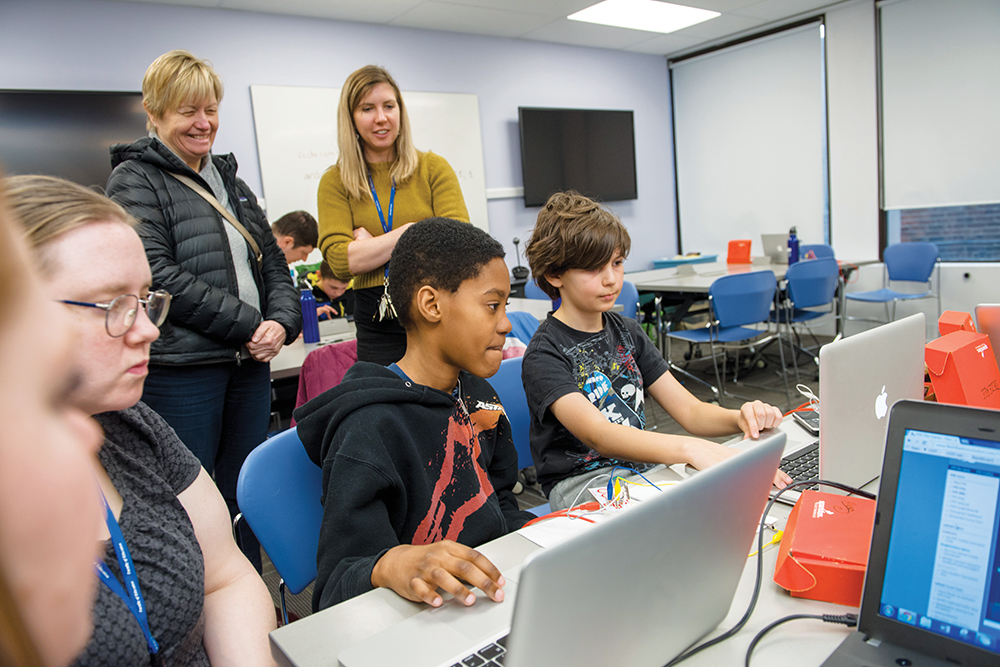
Learning is evolving fast, and so are the spaces where it happens. The Frazer Faculty of Education is reimagining classroom design through research-informed, technology-enabled learning environments that are inclusive, flexible and built for collaboration. By testing emerging tools and learner-driven teaching approaches, we’re helping educators adopt what works and shaping the classrooms of the future.

Your support will allow us to:
- Create inclusive, adaptable classroom pods where students can collaborate, explore and learn in ways that fit diverse needs.
- Equip experimental spaces with tools like simulations and interactive modules to strengthen engagement and learning outcomes.
- Test and evaluate emerging classroom technologies in real teaching and learning settings to identify what works best.
- Develop and share practical best practices so educators can adopt sustainable, effective solutions with confidence.
- Fund teacher-innovator scholarships and grow partnerships with schools and businesses to scale new classroom designs and approaches.

Together, we have the power to transform lives and pave the way for a brighter, more inclusive future in education.
Related news

From podcast to television: the importance of trust and responsibility in storytelling

Community Day celebrates connection, innovation and impact at Ontario Tech
Tech with a conscience: Why purpose and responsibility matter more than ever
Ontario Tech University graduate students explore the future of nuclear innovation at Canadian Nuclear Laboratories